Reduce Electricity Pressure
Solar can lower daytime electricity use from the grid and reduce pressure from rising utility costs.
Solar systems made clearer
Understand the main solar system choices, core equipment, and service process before selecting the right solution for your home, business, factory, or farm.
Solar can lower daytime electricity use from the grid and reduce pressure from rising utility costs.
Hybrid and off-grid designs can add battery backup for homes, shops, farms, and businesses affected by outages.
Solar uses renewable sunlight, needs low routine maintenance, and supports cleaner energy growth in Cambodia.
High-Power Solar Panel
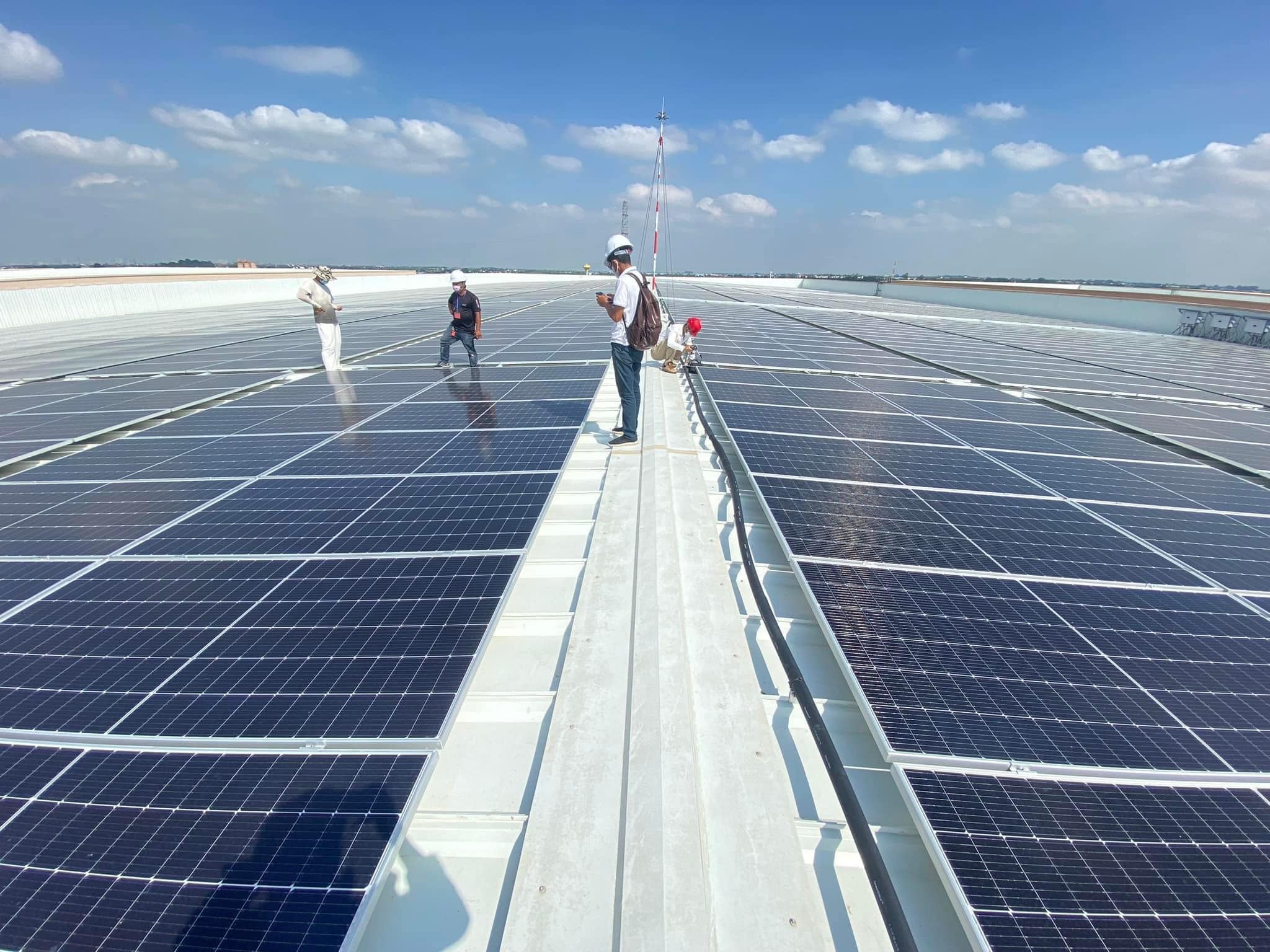
Bifacial Monocrystalline solar panels specially designed for tropical climates in Southeast Asia
Max Power 500W+
Efficiency 25.5%
30-year performance warranty
Smart battery solutions for uninterrupted power supply and electrical load management
Capacity 10kWh
LFP Technology
Energy Storage System
Helix Inverter
Advanced String Inverter using AI for efficiency optimization and monitoring
Efficiency 98%
Cloud Connected
Choose by energy need
Combines solar, grid power, and battery storage. It can use solar during the day and keep important loads running when the grid has problems.
Best for: homes, shops, offices, and factories that need backup power.Works together with the utility grid. It is usually the simplest choice when the main goal is reducing daytime electricity cost.
Best for: factories, malls, offices, and buildings with heavy daytime consumption.Designed for locations far from stable grid connection. It depends on battery capacity and careful load calculation.
Best for: countryside sites, farms, remote homes, and telecom or security loads.Uses solar panels and a pump controller to run water pumps during the day, reducing diesel or grid energy use.
Best for: agriculture, irrigation, fish farms, and water supply projects.From idea to working system
Review electricity bills, daily usage, backup needs, and important loads to estimate the right system size.
Check roof or land space, shading, structure, cable distance, and installation safety.
Select panels, inverter, battery, mounting, protection devices, monitoring, and wiring based on the project goal.
Install the complete system, set up monitoring, train the owner or maintenance team, and plan service support.